A fourth juror from the Lindsay Clancy murder trial went on camera this week and confirmed what the first three already told us: the women on that jury were pushing for acquittal from the moment deliberations began. Not after reviewing the evidence. Not after debating the law. From minute one.
The man who held out? His crime was that he "had the hardest time getting off the fact that Lindsay viciously killed her children."
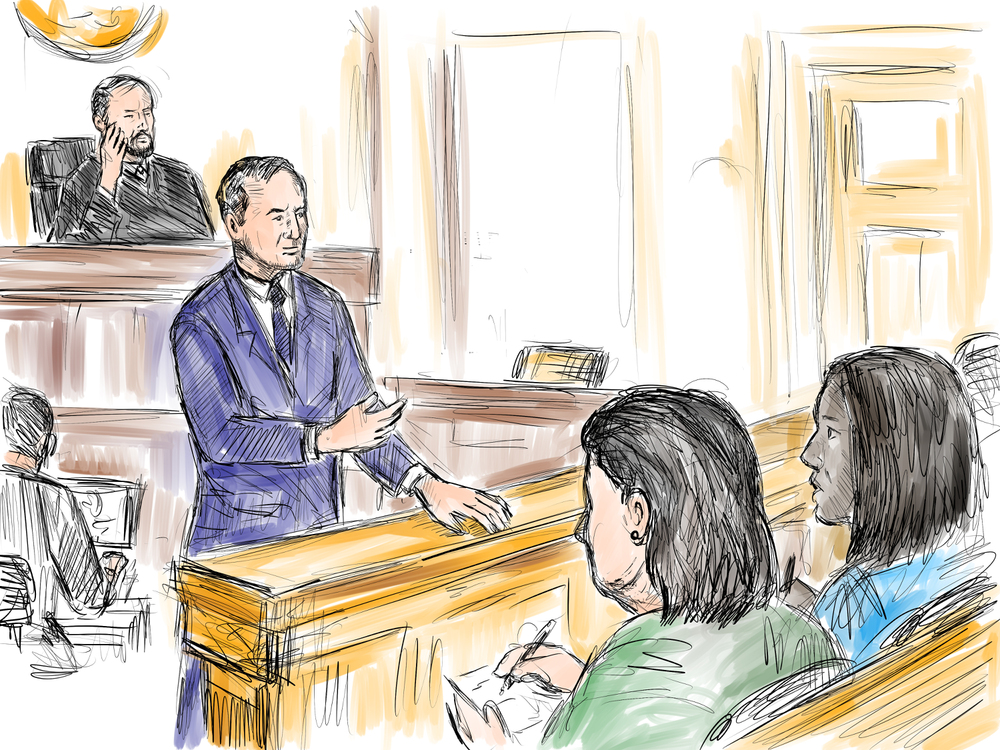
The jury — nine women and three men — deliberated for nearly thirty hours before Judge William Sullivan declared a mistrial on September 4th in Plymouth County, Massachusetts. The split was 11-1. Eleven jurors wanted to acquit a woman who strangled five-year-old Cora, three-year-old Dawson, and infant Callan in their Duxbury home on January 24, 2023. One man said no.
Three female jurors — foreperson Roni Carlson, a retired fifth-grade teacher; Kellie Farina, a senior center chef; and Paula Devlin, who works for a defense contractor — sat down with NBC to explain what went wrong. Their complaint wasn't about the evidence or the law. It was about him.
"He was very arrogant! He literally did not take anything that anybody said," one juror told NBC. Another added that he "had reasonable doubt" and "admitted he had reasonable doubt after we watched that video of the interview." The third juror's contribution was the quiet part: "He had the hardest time getting off the fact that Lindsay viciously killed her children!"
A man on a murder jury couldn't get past the murders. Apparently that's a character flaw now.
The fourth juror, identified only as Juror No. 5, told WBZ-TV's Kristina Rex something even more revealing. "The majority of the room was trying to sway that person from the very beginning," she said. She admitted she originally believed Clancy was guilty but changed her vote, saying "there's too much grey area" and "there's no way she's getting that help in prison."
So the deliberation wasn't a deliberation. It was a pressure campaign that started before anyone opened an exhibit folder. One juror held out against eleven. The women went to the press to complain about him. And the defense attorney went on a media tour.
Kevin Reddington, Clancy's lawyer, appeared on Good Morning America on September 8th and made a public plea to President Trump for a pardon. "Mr. President, I would hope that you would consider this young lady and the person she is, what she's been through, and consider a pardon," Reddington said. He called her "just an incredible person" — the woman convicted of nothing only because one juror wouldn't fold.
There's a small legal problem with the pardon request: presidential pardons apply to federal crimes. Clancy faces state murder charges in Massachusetts. Reddington knows this. He told reporters that if Trump feels the case warrants intervention, "he certainly has an awful lot of clout." Translation: he's not asking for a legal remedy. He's asking for a public relations campaign.
Plymouth County District Attorney Timothy Cruz offered the only sane response in this entire circus. "I appreciate the fact that there are strong feelings and opinions tied to this case. However, our job is to set aside our feelings and focus solely on the facts."
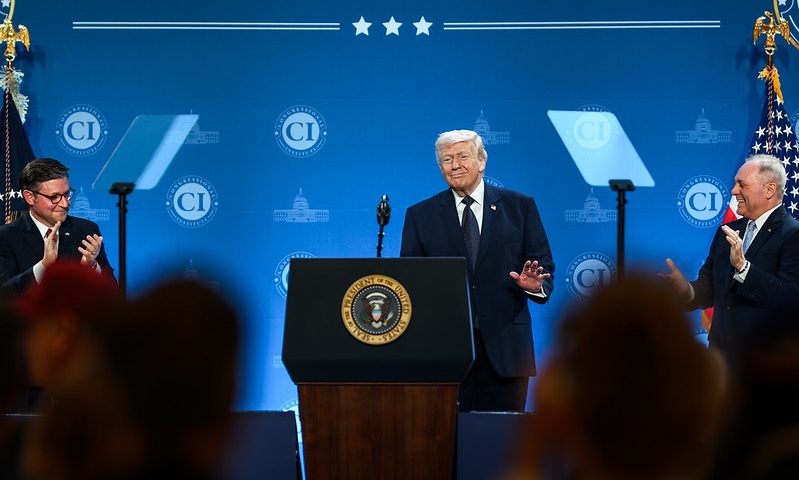
President Trump was more direct. "Look, she did a horrible, horrible thing. Can't be worse," he said on September 4th. "But you'll find out what the price to pay is. There'll be a price."
The next court date is September 29th. Prosecutors haven't announced whether they'll retry the case. Reddington is still doing interviews.
The five-week trial produced one of the most disturbing recordings ever played in a courtroom — Patrick Clancy's 911 call after finding his children. Juror No. 5 said it herself: "I will never be the same after that 911 call. It was horrifying." She voted to acquit anyway.
Eleven jurors heard a father's scream and decided the woman who caused it needed therapy, not prison. One juror heard it and couldn't move past what she did to three kids. The eleven went on television. The one stayed silent.
That's not a hung jury. That's a confession about who we've become.