Two Iranians Stole 100,000 Alaska Voter Identities in 2020. Then They Made a Video. Then Krebs Called It the Most Secure Election in History.
Two Iranian operatives — Seyyed Mohammad Hosein Musa Kazemi and Sajjad Kashian — hacked Alaska's voter registration system in the fall of 2020 and walked out with more than 100,000 voter identities. Then they made a video.
The video was a how-to. Using stolen Alaskan voter data — real names, real Social Security numbers, real driver's license numbers — they demonstrated how to complete Federal Write-In Absentee Ballot applications step by step. The UOCAVA overseas ballot program. The one with the fewest physical verification checkpoints in the American electoral system. They posted it online.
The FBI had the video. CISA had the video. Both agencies were tracking the operation in real time.
On October 22, 2020 — twelve days before Election Day — CISA and the FBI jointly published Alert AA20-296B confirming that Iranian actors had successfully obtained U.S. voter registration data and were actively using it. The alert was not classified. It was published publicly. It named the activity.
Eleven state voter registration websites had been probed. One — Alaska — had been successfully breached.
Alaska's UOCAVA ballot deliveries had already increased 60 percent from 2016 to 2020. The state sent 16,466 ballots electronically for that election alone.
On November 12, 2020, CISA Director Chris Krebs approved a public statement calling the 2020 election "the most secure in American history."
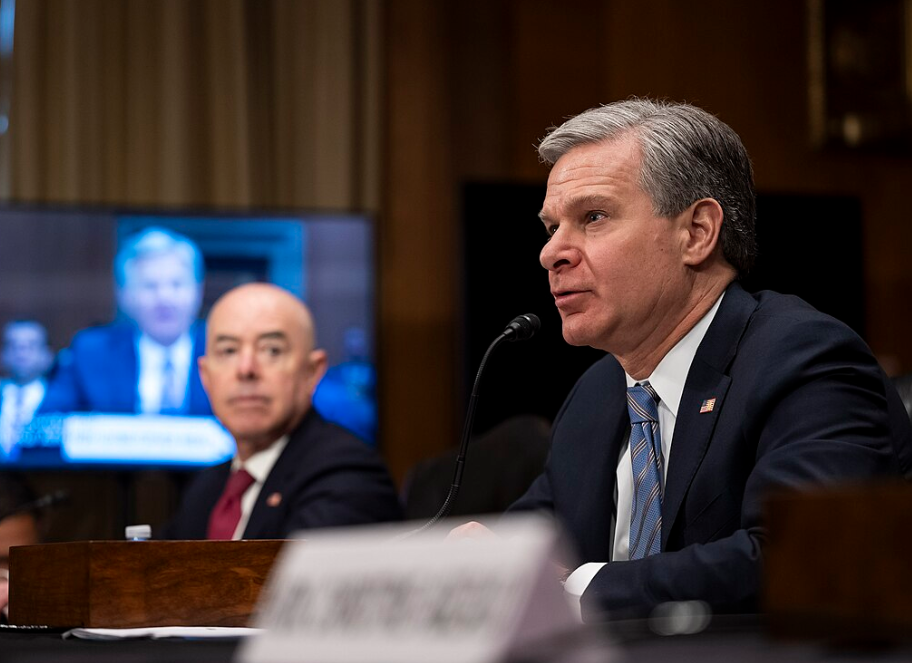
On December 16, 2020, Krebs testified before the Senate Homeland Security and Governmental Affairs Committee. His own agency had published Alert AA20-296B six weeks earlier. He told the committee: "This was a secure election. Of that I have no doubt."
FBI Director Chris Wray had the FLASH alert data showing Iranian actors inside state voter databases. The DOJ was already building a criminal case. In October 2021, a grand jury in the Southern District of New York returned an indictment charging Kazemi and Kashian with computer intrusion, voter intimidation, and interstate threat offenses. The charges were announced publicly November 18, 2021 — thirteen months after Alert AA20-296B, eleven months after Krebs testified before Congress.
Investigative journalist Yehuda Miller obtained the underlying CISA and FBI documents through federal records requests. The scope of the operation — the eleven-state reconnaissance, the Alaska breach, the video — was in official records the entire time.
The operation wasn't random. Kazemi and Kashian targeted UOCAVA infrastructure specifically. Overseas ballot systems. The end of the election pipeline with the least oversight, the fewest checkpoints, the most distance from in-person verification. They didn't steal the data to hoard it. The video proved what they intended to do with it.
Wray has since left the FBI. Krebs was fired by President Trump in November 2020. Neither has publicly reconciled their official statements with the documented operation their own agencies were tracking while those statements were made.
CISA issued the alert. The FBI ran the FLASH system. The DOJ built the indictment. The official public message — delivered under oath before Congress, six weeks after the advisory went public — was that nothing had compromised the integrity of the 2020 election.
The video is still out there.