Eighteen American service members are dead. More than 400 have been wounded, many with traumatic brain injuries that will follow them for the rest of their lives. The U.S.-Iran conflict that began on February 28, 2026, has cost real American families real American sons and daughters.
And Israeli Finance Minister Bezalel Smotrich just called it "best for us."
At a settlement conference on Tuesday, Smotrich laid out Israel's strategic posture with a kind of bluntness that usually gets diplomats fired. "When it comes to the state of Israel, there is no interest in joining the campaign," he said. "The current situation, where there is a confined campaign between Iran and the United States, is the correct situation and best for us."
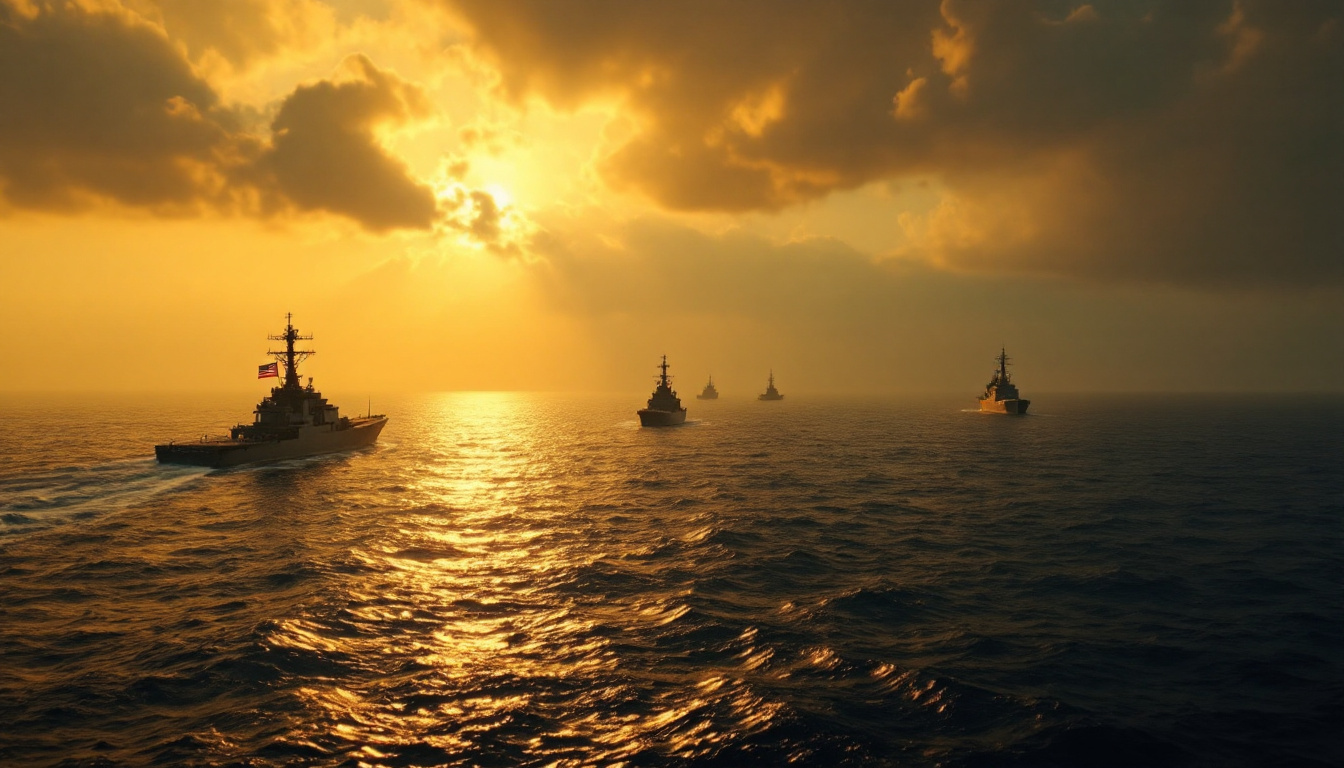
Not best for everyone. Not best for the coalition. Best for us — meaning Israel — while American pilots fly sorties over the Strait of Hormuz and American sailors absorb the risk of targeting Iranian naval forces, coastal defenses, command centers, drone facilities, and communications systems.
Smotrich didn't stop there. He outlined the actual objective with startling clarity: "We need to remember that our objective in the campaign is to destabilize, weaken Iran to the point of overthrowing the regime." Our objective. Pursued with American hardware, American fuel, and American caskets.
Smotrich just told the world that Israel's plan is to let Washington carry the burden while Jerusalem keeps its aircraft and weapons in reserve.
President Trump seemed unfazed. "Would join in two minutes if I ask them to," he said of Israel's readiness. "We don't need anybody." That's the kind of confidence that wins elections. Whether it should be the basis for wartime strategy when an ally's finance minister is publicly celebrating the arrangement is a different question.
Prime Minister Benjamin Netanyahu, for his part, kept the rhetoric pointed at Tehran. "Do not count on there being calm if you attack us," he warned. "The previous response was powerful enough, but any further attempt to harm us will be met with a different response, far more powerful." Strong words from a leader whose military hasn't fired a shot in the current phase of the conflict.