
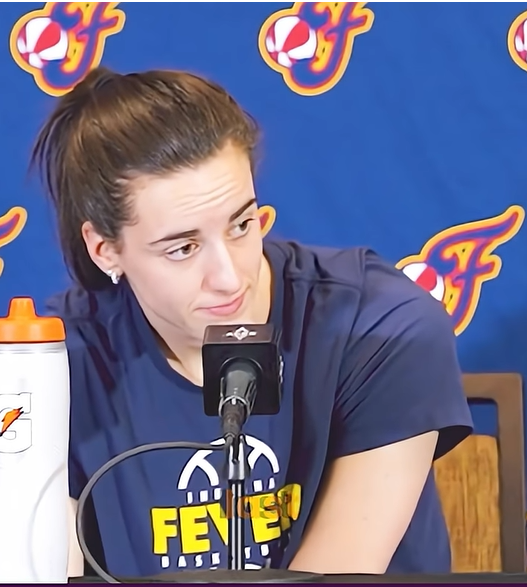
On July 24, USA Today posted on X that "Caitlin Clark skipped the WNBA Orange Carpet on Thursday, opting to get her hair done." The framing was clear: the Indiana Fever point guard was being painted as a diva who blew off a league event for vanity. Within hours, the paper had to issue a correction.
"Clarification: Caitlin Clark was attending an event for the Caitlin Clark Foundation."
She wasn't getting a blowout. She was at a charity event. USA Today just couldn't be bothered to check before publishing.
This is the same outlet that employs columnist Nancy Armour, who wrote that "there is a white nationalist element to Clark's fandom that is deeply, deeply problematic." Armour's crusade against the most popular player in women's basketball history has been a running theme — and it keeps backfiring.
Armour previously drew a comparison between the treatment of WNBA players and the 1955 murder of Emmett Till, a 14-year-old Black boy monstrously lynched in Mississippi. She later had to walk that back too, conceding it was "an inartful comparison with the murder of Emmett Till." But she couldn't leave it alone, adding: "However, this point stands: There is a history in this country of perceived threats to white women being weaponized against African-Americans."
So the retraction came with a reloaded accusation. The apology was just a runway for the next take.
The pattern is obvious. Clark, who grew up in Des Moines, fills arenas, drives television ratings, and has single-handedly made more Americans care about women's basketball than any marketing campaign in WNBA history. The league should be building a statue. Instead, a segment of the sports media establishment (including some WNBA execs) treats her popularity as a problem to be diagnosed.
Progressive sports media has decided that Clark's popularity must be suspicious because of who her fans are. Not because she's a generational talent from Iowa who plays with visible joy, but because too many of the wrong people like her. That's the analytical framework: if the audience doesn't match the preferred demographic, the player is the problem.
Clark keeps filling seats. The corrections keep piling up. One of those trends has a future.