Border Patrol logged 378 cartel drones along the southern border between late August and last Thursday. Seventy-five were turned back. Fifteen were engaged and disabled. One was captured intact. That's nearly 400 unmanned aircraft probing American airspace in just over a month — and the number was climbing.
Then drone activity in the Rio Grande Valley dropped 75% in two weeks.
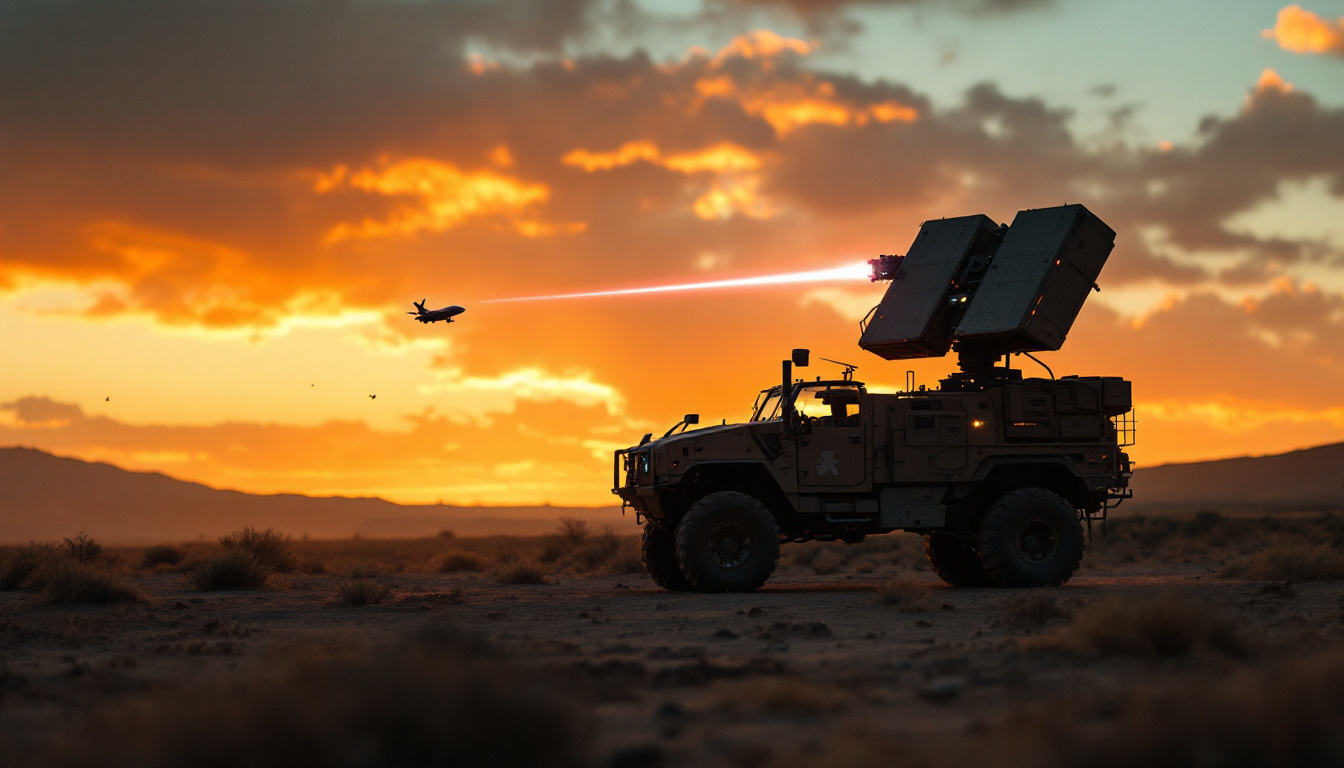
What changed wasn't a new policy memo or a sternly worded letter from the State Department. The Army deployed its Multipurpose High Energy Laser — a directed-energy weapon that turns cartel surveillance drones into falling debris — and the Joint Task Force Southern Border started using it operationally, not experimentally. The systems moved from testing phase to live missions along the Texas border, coordinated with the FAA to avoid interference with civil air traffic.
Deputy Chief Patrol Agent Jeffrey Stalnaker confirmed that cartels have been using drones primarily "for reconnaissance rather than smuggling" — mapping patrol routes, identifying gaps in coverage, and feeding real-time intelligence to smuggling operations on the ground. The drones weren't carrying fentanyl. They were doing something arguably more dangerous: making the guys carrying fentanyl better at their jobs.
Brigadier General Jason Rueschhoff oversaw the anti-drone testing outside Yuma, Arizona, where the military spent three weeks in the desert calibrating specialized guns, drone-capturing nets, unmanned interceptors, and the laser system that ultimately proved most effective. The Pentagon has earmarked roughly $500 million for combat-ready laser system production — money originally justified by threats in the Strait of Hormuz and the Middle East, now pulling double duty on the southern border.
DHS posted a statement after the deployment that read like a message with a specific recipient: "Their drones are failing and their tactics are exposed." Not exactly diplomatic language. More like a caption on a trophy.
The usual objection writes itself — military hardware on American soil, pointed at the border, sounds like the kind of thing that generates breathless ACLU press releases. Except the Joint Task Force Southern Border, U.S. Northern Command, and the FAA coordinated every engagement to ensure civil airspace remained clear. Congressional researchers and the Government Accountability Office reviewed the operational framework. The civil liberties concern assumes the lasers are pointed at something other than cartel reconnaissance equipment. They aren't.
What makes the 378 number worth sitting with is what it represents about the five years before anyone flipped a switch. American Conservatives reported that federal officials acknowledged "cartel drone tactics are evolving rapidly" — which is a polite way of saying the cartels had an air force and we were watching it grow. The Joint Task Force took down roughly 100 suspected cartel drones in August alone, using older countermeasures. The laser changed the math. A drone that costs a cartel a few hundred dollars to launch now costs the U.S. almost nothing to destroy, and the cartel gets zero intelligence from the flight.
The testing happened in Yuma. The operational deployment happened across the Rio Grande Valley, El Paso, and Santa Teresa. The 75% reduction happened in two weeks.
The cartels built a drone program. The Army built a laser.